An employee clicks a harmless-looking email link and suddenly systems go offline. Cybersecurity threats like phishing, malware, and ransomware can disrupt operations faster than expected—here’s what every business must watch out for.
Modern businesses rely heavily on technology to operate efficiently, but that reliance also exposes them to growing cybersecurity threats. These threats no longer target only large enterprises. Small and mid-sized businesses are increasingly affected, often because attackers assume defenses are weaker or outdated.
Understanding the most common cybersecurity threats is the first step toward protecting business data, maintaining customer trust, and avoiding costly downtime. Below are eight threats no organization should ignore.
1. Phishing Attacks
Phishing remains one of the most common cybersecurity threats businesses face. Attackers disguise themselves as trusted sources—banks, vendors, or even internal staff—to trick employees into clicking malicious links or sharing sensitive information.
A single successful phishing attempt can lead to stolen credentials, unauthorized access, or data breaches that disrupt operations.
2. Ransomware as a Major Cybersecurity Threat
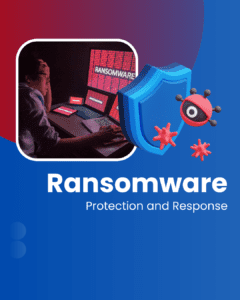
Ransomware locks access to systems or files and demands payment for recovery. This cybersecurity threat can completely halt business operations, sometimes for days or weeks.
Even organizations with backups can suffer significant downtime, lost productivity, and reputational damage if ransomware spreads across systems.
3. Malware Infections
Malware is a broad category of malicious software that encompasses various threats, including viruses, spyware, and trojans, all of which gain unauthorized access to computer systems often without the user’s knowledge. These security threats can infiltrate devices via several vulnerable entry points, such as downloading unsafe software from dubious sources, visiting compromised websites that host harmful code, or opening infected email attachments that appear legitimate.
Once malware successfully embeds itself within a system, it can perform a range of damaging actions. For instance, it may capture sensitive information, such as personal identification details, financial data, or login credentials, leading to potential identity theft. Additionally, malware can significantly degrade system performance, causing slowdowns and crashes, which disrupts normal operations. Some variants also create backdoors within the system, allowing cybercriminals to bypass security measures and launch further attacks or steal data without detection. This multifaceted threat not only compromises individual users but can also jeopardize the integrity of entire networks and organizations.
4. Weak Password Practices
Poor password habits continue to expose businesses to cybersecurity threats. Reused, simple, or shared passwords make it easier for attackers to gain unauthorized access.
Without proper password policies or multi-factor authentication, even basic systems can become easy targets.
5. Insider-Related Cybersecurity Threats
Not all cybersecurity threats come from outside the organization. Employees, contractors, or former staff can unintentionally—or intentionally—cause security incidents.
Lack of access control, excessive permissions, or insufficient training often increase the risk of insider-related breaches.
6. Unpatched Software and Systems
Outdated software creates vulnerabilities attackers actively exploit. This type of cybersecurity threat is especially dangerous because it often goes unnoticed until damage is already done.
Regular updates and patch management help close security gaps before attackers can use them.
7. Cloud Security Risks
As more businesses move to cloud platforms, misconfigured settings have become serious cybersecurity threats. Improper access controls, exposed storage, or weak permissions can lead to data leaks.
Cloud environments must be actively monitored and properly configured to remain secure.
8. Lack of Security Awareness Training
One of the most overlooked cybersecurity threats is inadequate employee training. Staff who are unaware of security best practices are more likely to fall victim to phishing, social engineering, or unsafe browsing habits.
Regular training helps employees recognize risks and act as the first line of defense.
Next Steps for Stronger Security
Cybersecurity threats don’t wait until you’re ready—they strike when defenses are weakest. If you want to protect your systems, reduce downtime, and stay ahead of evolving risks, now is the time to act.
Contact us today to assess your security posture and put safeguards in place before threats turn into costly disruptions.