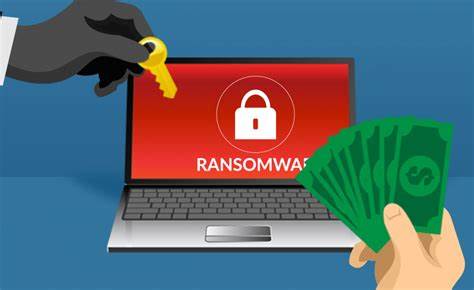
Ransomware attacks are rising as cybercriminals target CPA firms that handle sensitive financial data. Accounting firms are especially vulnerable due to tight deadlines, valuable client information, and often limited cybersecurity measures. These factors make it easier for attackers to exploit weaknesses and pressure firms into paying ransoms, making ransomware a growing threat. Implementing strong security practices and proactive protection is essential to reducing this risk.
Introduction
Ransomware attacks targeting CPA firms have become a growing concern in today’s digital landscape. Accounting firms handle highly sensitive financial and personal data, making them attractive targets for cybercriminals looking for quick financial gain.
Despite this, many CPA firms still operate with limited cybersecurity measures—leaving critical systems and client data exposed.
Why Ransomware Attacks Targeting CPA Firms Are Increasing
High-Value Data
CPA firms store confidential information such as tax filings, payroll data, and financial records, making them prime targets for ransomware attacks. This type of data is not only highly valuable but also difficult to replace, increasing the likelihood that firms will pay a ransom to regain access. As ransomware threats continue to evolve, cybercriminals specifically target these vulnerabilities to maximize financial gain.
Time-Sensitive Operations
Tight deadlines, especially during tax season, mean that even a few hours of downtime can significantly disrupt operations. Cybercriminals exploit this urgency through ransomware attacks, knowing firms may feel pressured to pay quickly to restore access and avoid further financial and reputational damage.
Gaps in Cybersecurity
Many firms rely on outdated systems or lack dedicated IT support, making them more susceptible to ransomware attacks. Without regular updates, monitoring, and proper security protocols, critical vulnerabilities remain open and can be easily exploited by cybercriminals.
Common Entry Points for Ransomware Attacks on CPA Firms
Phishing Emails
The most common method used in ransomware attacks targeting CPA firms is phishing. Attackers send convincing emails that trick employees into clicking malicious links or downloading infected attachments.
Weak Authentication
Without strong passwords and multi-factor authentication (MFA), attackers can easily gain access to email accounts and internal systems, often using stolen or guessed credentials. This lack of protection makes it significantly easier for ransomware attacks to spread within a network and compromise sensitive data. Once inside, attackers can move laterally across systems, escalating access and identifying critical data to encrypt. Implementing strong authentication measures is a crucial step in preventing unauthorized access and reducing the risk of a full-scale ransomware incident.
Unpatched Systems
Outdated software is one of the easiest ways for attackers to infiltrate a network, especially through ransomware attacks that target known system weaknesses. Known vulnerabilities are frequently exploited when systems are not kept up to date, giving cybercriminals a clear entry point into critical systems. Without timely patching and updates, these security gaps can persist for long periods, increasing the risk of a successful attack. Keeping software current is one of the most effective ways to reduce exposure to ransomware threats.
How CPA Firms Can Prevent Ransomware Attacks
Strengthen Access Controls
Implement MFA across all systems, especially email and remote access tools. This significantly reduces the risk of unauthorized access by adding an extra layer of security beyond passwords. Even if credentials are compromised, attackers are far less likely to gain entry, helping prevent ransomware attacks and data breaches.
Train Employees
Regular cybersecurity training helps staff recognize phishing attempts and respond appropriately to potential threats. Well-informed employees are less likely to fall victim to social engineering tactics commonly used in ransomware attacks. Ongoing training also reinforces best practices and strengthens your firm’s overall security awareness.
Keep Systems Updated
Ensure all software, operating systems, and applications are regularly updated to close security gaps. Regular updates and patches address known vulnerabilities that cybercriminals actively exploit in ransomware attacks. Maintaining up-to-date systems is a fundamental step in strengthening your firm’s overall cybersecurity posture.
Use Advanced Security Tools
Deploy endpoint protection and monitoring solutions that can detect and stop suspicious activity before it spreads. These tools provide real-time visibility into potential threats and can automatically isolate affected devices to prevent further damage. By identifying unusual behavior early, your firm can respond quickly and reduce the risk of a ransomware attack escalating.
Maintain Reliable Backups
Secure, regularly tested backups ensure your firm can recover data without paying a ransom. In the event of a ransomware attack, having reliable backups allows you to restore systems quickly and minimize downtime. It also reduces the leverage cybercriminals have, as your business is no longer dependent on them to regain access to critical information.
Conclusion
Ransomware attacks targeting CPA firms are increasing, and the consequences can be severe—from financial loss to reputational damage. Firms that take a proactive approach to cybersecurity are far better positioned to prevent attacks and maintain client trust.
Act
Don’t wait for a ransomware attack to expose vulnerabilities in your firm.
Start with a cybersecurity assessment, strengthen your defenses, and ensure your systems are protected. Partnering with straten solutions, a trusted IT provider can help you stay ahead of evolving threats and keep your business running securely.