
When daily operations depend on digital systems, every business should know about cybersecurity to avoid unexpected breaches, downtime, and data loss that can disrupt work without warning.
Modern businesses rely heavily on technology, from customer records and payment systems to internal communication and remote access. Yet many organizations only start paying attention to security after something goes wrong. Understanding what every business should know about cybersecurity helps leaders recognize risks early and build systems that support long-term stability, rather than constantly recovering.
Why Every Business Should Know About Cybersecurity Basics
Cyber threats are no longer limited to large enterprises. Small and mid-sized companies are often targeted because attackers assume defenses are weaker. Even simple gaps—such as weak passwords or outdated software—can create major entry points for attackers.
Understanding where vulnerabilities typically appear allows businesses to safeguard operations early, reducing the risk of serious financial losses or reputational damage later on.
What Every Business Should Know About Cybersecurity and Risk Exposure
A common misconception is that cybersecurity is purely an IT problem. In reality, it is an operational risk that directly affects productivity, customer trust, and regulatory compliance across the entire organization.
Human error, unsecured devices, and insufficient training are often the root causes of security incidents. Recognizing these patterns allows organizations to prioritize prevention and strengthen defenses instead of relying on reactive fixes.
10 Things Every Business Should Know About Cybersecurity Today
1. Cybersecurity Is an Ongoing Process
Security isn’t a one-time setup. It requires ongoing attention and must evolve alongside changing technology, emerging threats, and business growth.
2. Employees Are Part of the Security System
Phishing emails and social engineering attacks target people, not just systems. Training staff is something every business should know about cybersecurity and treat as essential, not optional.
3. Data Backups Are Critical
Reliable backups protect against ransomware, system failure, and accidental deletion. This is a core principle every business should know about cybersecurity resilience.
4. Access Control Reduces Risk
Not everyone needs access to everything. Limiting permissions is one of the simplest defenses every business should know about cybersecurity best practices.
5. Updates and Patches Matter
Outdated software is one of the most common causes of breaches. Staying current is something every business should know about cybersecurity hygiene.
6. Remote Work Changes the Risk Landscape
The rise of remote access brings with it a host of new vulnerabilities that can threaten the integrity of a business. It’s crucial for every organization to understand the intricacies of cybersecurity, especially when navigating the unpredictable landscape of unsecured home networks and personal devices. In this digital age, the lines between personal and professional spaces blur, making it imperative to recognize the risks that can arise from everyday technology used in the comfort of home.
7. Monitoring Helps Detect Problems Early
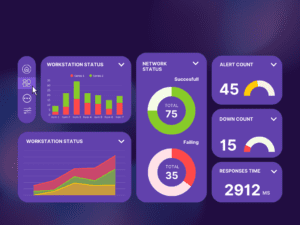
Gaining insight into systems empowers teams to spot unusual activity at an early stage, acting like a watchful guardian that intercepts potential threats before they spiral into full-blown breaches. This proactive approach not only safeguards sensitive information but also minimizes unnecessary downtime, allowing operations to flow smoothly and efficiently.
8. Incident Response Planning Is Essential
Knowing what to do during a breach limits damage. Every business should know about cybersecurity planning before an incident occurs, not during one.
9. Vendors Can Be a Weak Link
Third-party tools and providers affect security posture. Reviewing vendor practices is something every business should know about cybersecurity risk management.
10. Cybersecurity Supports Business Continuity
Strong security keeps operations running smoothly. At its core, every business should know about cybersecurity as a foundation for reliability and trust.
Turn Awareness Into Action
Understanding what every business should know about cybersecurity is only the first step. The real impact comes from applying these insights to strengthen systems, protect data, and reduce operational risk.
Contact us today to assess where your organization stands and turn what every business should know about cybersecurity into practical protections that keep your operations secure and uninterrupted.