Understanding IT Compliance and Its Critical Role for Small Businesses
In today’s digital landscape, IT compliance has become a vital aspect of running a successful small business. Ensuring that your company adheres to relevant regulations is not just about avoiding penalties; it’s about building trust with your customers, protecting sensitive data, and maintaining overall business integrity. For small business owners and decisionmakers, understanding the essentials of IT compliance is crucial to safeguard operations and foster growth.
What Exactly Is IT Compliance?
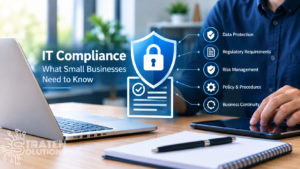
IT compliance refers to following specific standards, policies, and regulations that govern the use and protection of information technology within an organization. It involves implementing safeguards to protect sensitive data, ensure system security, and maintain privacy according to legal and industry-specific requirements. For SMBs, this means aligning practices with regulations such as GDPR, HIPAA, or industry-specific guidelines that are relevant to their operations.
Why IT Compliance Matters to Small Businesses
Many small business owners underestimate the importance of IT compliance, assuming it only applies to large corporations. However, non-compliance can lead to serious business risks, including heavy fines, legal liabilities, and damaging reputational losses. Additionally, customers are increasingly concerned about how their data is handled, making compliance a key factor in building trust and competitive advantage. Moreover, proactive compliance helps SMBs avoid costly data breaches and operational disruptions, which can be devastating for small enterprises.
Common Challenges Small Businesses Face with IT Compliance
- Limited resources and expertise to implement security measures
- Lack of awareness or understanding of applicable regulations
- Rapidly changing regulatory landscape
- Difficulty balancing compliance with operational efficiency
Simple Solutions to Achieve IT Compliance
For small businesses, achieving IT compliance doesn’t have to be overwhelming. Here are some practical steps:
- Conduct regular security assessments to identify vulnerabilities
- Implement basic cybersecurity measures such as firewalls, encryption, and strong password policies
- Train employees on cybersecurity best practices and data handling procedures
- Establish clear data management policies and ensure compliance with relevant regulations
- Consider managed IT services to handle complex compliance requirements and ongoing security management
Real-World SMB Examples of IT Compliance Success
Many small businesses have successfully navigated IT compliance challenges. For instance, a local healthcare practice adopted rigorous data protection measures to comply with HIPAA regulations. By doing so, they not only avoided fines but also enhanced their reputation for safeguarding patient information. Another example includes a retail store that implemented robust cybersecurity protocols after experiencing a minor data breach, ultimately strengthening customer trust and loyalty.
Recommendations for Business Owners and IT Decision Makers
- Stay informed about relevant compliance regulations that affect your business
- Invest in cybersecurity solutions that are scalable to your needs
- Partner with experienced IT providers who understand SMB compliance challenges
- Create a culture of security by training staff and establishing clear policies
- Use resources like the NIST cybersecurity guidance to stay updated on best practices
Actionable Next Steps
If you’re a small business owner or decisionmaker, start by assessing your current IT security posture and understanding where the gaps lie. Develop a compliance plan tailored to your industry and scale your security measures accordingly. Regular training, audits, and staying informed about regulatory updates are essential to maintaining compliance over the long term.
Remember, proactive IT compliance not only reduces risk but also enhances your reputation, builds customer trust, and supports sustainable growth. For ongoing support, consider partnering with managed IT services that specialize in helping SMBs navigate compliance challenges effectively.